Buying your first home in Palmyra is exciting, but it can feel like a lot to manage. You want the right home, a smooth commute, and a smart plan for costs and inspections. With a clear process and local guidance, you can move from browsing to keys in hand with confidence. In this guide, you’ll learn the local steps, costs, inspections, and financing options that matter in Palmyra and throughout Lebanon County. Let’s dive in.
Why Palmyra works for first-time buyers
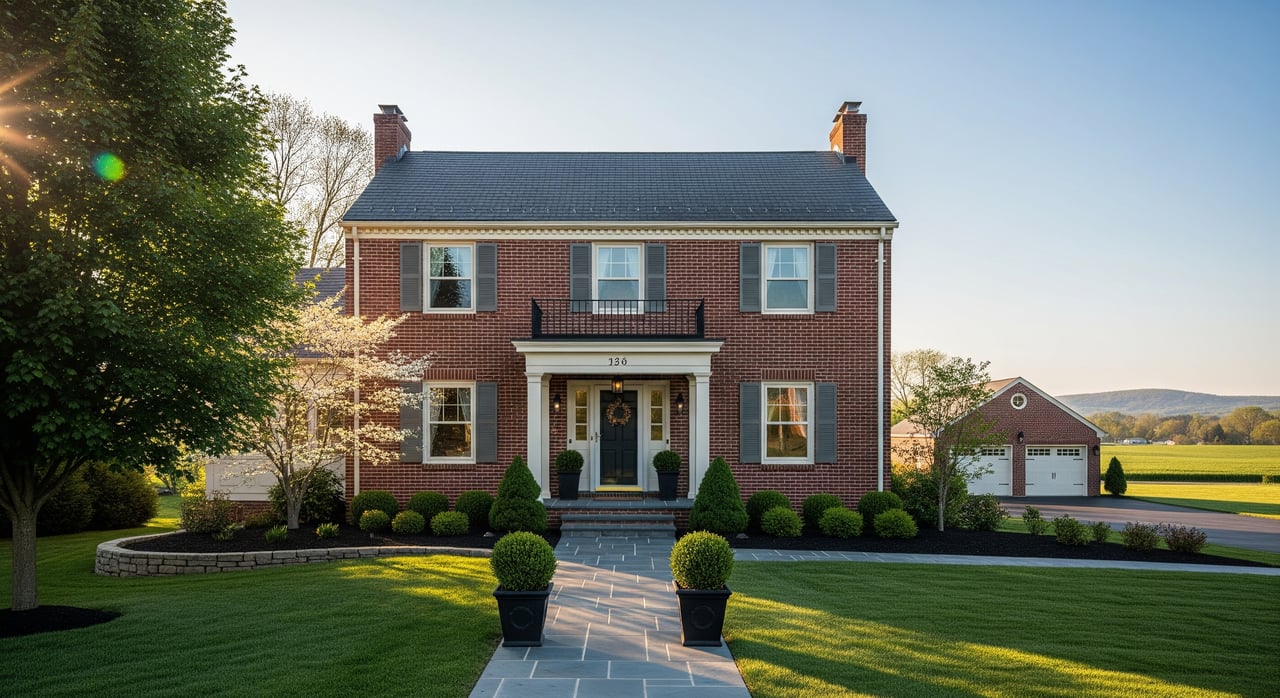
Palmyra offers small-town convenience with quick access to Hershey employers, healthcare, and entertainment. You will find a mix of historic borough homes, newer subdivisions, and townhomes at price points that often compare favorably to larger metro areas. Many residents commute to Hershey and, in some cases, Harrisburg, so it helps to check drive times during rush hours before you make an offer.
If you prefer walkable blocks and older architecture, the borough core can fit well. If you want yard space or a garage, look to nearby suburban neighborhoods. Edge and rural areas can offer larger lots and sometimes private well and septic systems. Match your lifestyle priorities to the neighborhood style that fits you best.
Step-by-step: how to buy in Palmyra
Step 1: Get mortgage pre-approval
Start with a full pre-approval, not just a pre-qualification. A lender reviews your pay stubs, W‑2s or 1099s, bank statements, ID, and tax returns, then issues a conditional loan amount. This puts you in a stronger position when you make an offer. Typical loan options include conventional, FHA, VA if eligible, USDA for qualifying rural properties, and state-backed options through the Pennsylvania Housing Finance Agency.
Step 2: Define needs and tour neighborhoods
Use local MLS tools like Bright MLS to track new listings and price trends. Tour homes and drive neighborhoods at different times, including rush hour, evenings, and weekends. Check things like school attendance boundaries, nearby parks, parking and garage needs, and noise. If you are considering an older home, watch for signs of deferred maintenance and basement moisture.
Step 3: Make an offer in Pennsylvania
In Pennsylvania, agents commonly use standardized forms from the state REALTOR association. Your offer typically includes price, financing terms, an earnest money deposit, contingencies, and proposed timelines. Earnest money is often 1 to 3 percent of the price and is held in escrow. You can include contingencies for financing, appraisal, home inspections, or the sale of your current home. The seller can accept, reject, or counter. Once both parties sign, the contract is binding. For a national overview of the process, see the National Association of REALTORS.
Step 4: Inspections and appraisal
Schedule a general home inspection to evaluate major systems and structure. In our area, it is also wise to order a radon test, since the U.S. EPA recommends testing in Pennsylvania. If the property has a private well or septic system, add water testing and a septic inspection. Your lender will order an appraisal to confirm value. If the appraised value comes in below the contract price, you and the seller can negotiate, or your appraisal contingency may give you options to cancel.
Step 5: Title, insurance, and closing day
A title company or attorney will run a title search and prepare your title insurance policies. Your lender and settlement agent will provide a settlement statement that shows final costs. You should receive and review these figures before closing. In Pennsylvania, settlement usually occurs with a title company or closing attorney. After documents are signed and the deed is recorded, you receive keys and possession as agreed in your contract.
Financing and assistance you can use
- Conventional loans: As low as 3 percent down for qualified buyers, with private mortgage insurance if under 20 percent down.
- FHA loans: Minimum 3.5 percent down, with mortgage insurance. Learn more from HUD’s buying a home resources.
- VA loans: Zero down for eligible veterans and service members.
- USDA loans: Zero down for eligible rural properties.
- PHFA programs: The PHFA offers first-time buyer mortgages and down payment or closing cost assistance for income-qualified buyers, often paired with homebuyer education. Check current income and price limits on the PHFA site.
Ask your lender to compare total monthly costs for each option, including mortgage insurance, and confirm any education or counseling requirements for assistance programs.
What buying really costs in PA
- Earnest money deposit: Often 1 to 3 percent of the purchase price. Applied to your funds at closing if you proceed.
- Down payment: Varies by loan type. Many first-time buyers put 3 to 5 percent down, while 20 percent removes PMI on conventional loans.
- Closing costs: Typical buyer closing costs in Pennsylvania are about 2 to 5 percent of the price. This includes lender fees, appraisal, title insurance, recording fees, and prepaids for taxes and insurance.
- Transfer tax: Pennsylvania charges a realty transfer tax, and many localities add a municipal portion. Totals often land around 1 to 2 percent, but rates vary. Review current rules with your title company or see the Pennsylvania Department of Revenue for guidance.
- Ongoing costs: Property taxes, homeowners insurance, HOA or condo fees if applicable, utilities, and maintenance. Local school district and municipal rates determine taxes, so review estimates with your agent and lender.
Local due diligence for Lebanon County homes
- Radon: Pennsylvania has many areas with elevated radon potential. The EPA recommends testing all homes, and mitigation can often be negotiated if levels are high.
- Wells and septic: For properties outside the borough or on larger lots, plan for a well water test and a septic inspection. Ask for service and pumping history.
- Basements and moisture: Many older homes have basements. Look for signs of dampness or past water intrusion.
- Roofs and chimneys: Confirm age and condition, especially on older borough homes.
- Flood risk and insurance: Ask your insurance agent to check if the property is in a mapped flood zone and whether flood insurance is required.
Quick first-time buyer checklist
- Review your budget and set a comfort payment, including an emergency reserve for maintenance.
- Get a lender pre-approval and compare loan options.
- Choose your agent and set up saved searches in Bright MLS.
- Tour homes and drive neighborhoods at different times.
- Write an offer with appropriate contingencies and earnest money.
- Complete inspections, including radon, and order well or septic checks if needed.
- Respond to the appraisal and negotiate repairs or credits if needed.
- Finalize underwriting, choose title insurance, and review your settlement statement.
- Attend closing, transfer utilities, and set up local services.
Plain-English definitions
- Pre-approval: A lender’s conditional offer that says how much you can borrow based on your documents.
- Earnest money: A deposit that shows you are serious. It goes toward the purchase at closing or may be forfeited if you breach the contract.
- Contingency: A condition that lets you cancel or renegotiate, such as inspection, financing, or appraisal.
- Appraisal: A lender-required valuation that confirms the home is worth the loan amount.
- Title insurance: A policy that protects you and your lender if a past ownership or lien problem appears after purchase.
- Closing costs: Fees for the loan, title, taxes, and other services paid at settlement.
- PMI: Private mortgage insurance, a monthly cost on many conventional loans with less than 20 percent down.
- Deed: The legal document that transfers property ownership to you.
- Settlement or closing: The meeting where you sign documents, funds are disbursed, and the deed is recorded.
Work with a local team
Buying in Palmyra is easier when you have a responsive, neighborhood-focused team on your side. We help you weigh commute needs, compare neighborhoods, structure smart offers, and navigate inspections the right way for Lebanon County. Ready to take the next step? [Schedule a buyer consult with the Thomas Bechtold Team](INSERT Thomas Bechtold Team scheduling URL).
FAQs
How much should a first-time buyer save for a Palmyra home?
- Many first-time buyers put 3 to 5 percent down, plus 2 to 5 percent for closing costs, though programs like PHFA can reduce upfront cash needs.
What are typical closing costs for Pennsylvania buyers?
- Buyer closing costs in Pennsylvania often total about 2 to 5 percent of the purchase price, including lender, appraisal, title, recording, and prepaids.
Do I need an attorney to close in Pennsylvania?
- Pennsylvania closings are commonly handled by a title or settlement company, though you can hire an attorney to review documents or represent you.
How long does it take to close after my offer is accepted?
- Many financed purchases close in roughly 30 to 45 days, depending on appraisal timing, underwriting, and agreed contract dates.
Are there first-time buyer grants or assistance in Palmyra?
- The Pennsylvania Housing Finance Agency offers mortgages and down payment or closing cost assistance for qualifying buyers.
What inspections are recommended for older Palmyra homes?
- A general home inspection plus radon testing are typical, and well water and septic inspections are recommended if applicable.
How long is the commute from Palmyra to Hershey or Harrisburg?
- Many residents commute to Hershey and some to Harrisburg; check live mapping tools during rush hour to confirm your expected drive times.
How do I check school boundaries for a Palmyra property?
- Review official school district boundary resources and confirm with the district directly, since boundaries and assignments can change.
What if the appraisal comes in below my offer price?
- You can negotiate with the seller, bring additional funds, or use your appraisal contingency if included to cancel within contract timelines.