Thinking about a move to Lebanon County and wondering what day-to-day life actually feels like? You’ll find a mix of small-town charm, suburban convenience, and quiet rural stretches that give you room to breathe. Whether you’re relocating for work or looking for more space, this guide breaks down neighborhoods, housing, commutes, parks, schools, and practical tips so you can plan with confidence. Let’s dive in.
Where Lebanon County Is
Lebanon County sits in the Lebanon Valley in south-central Pennsylvania, between Harrisburg to the west and the Reading and Lancaster areas to the east and south. That location connects you to several regional job hubs while keeping a relaxed, small-community feel. Population clusters near the boroughs and main corridors, while large parts of the county remain agricultural and open.
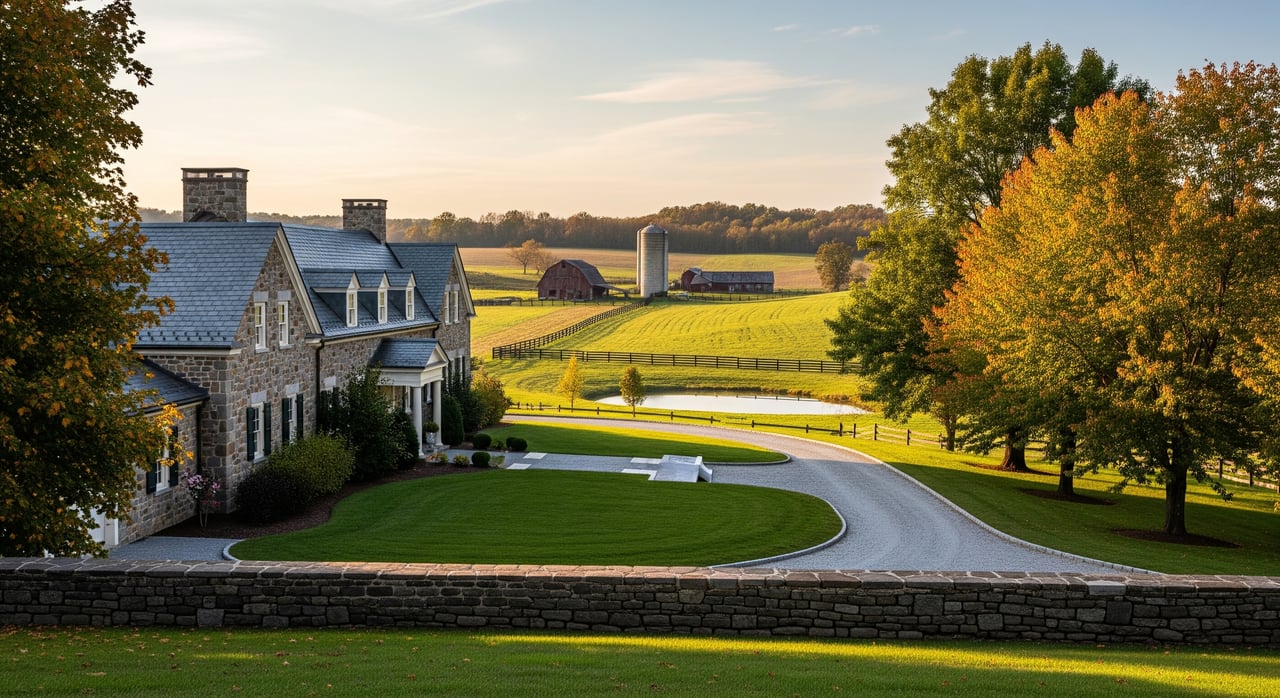
You’ll see a true blend of settings across the map. Historic boroughs offer walkable streets and close-knit blocks. Suburban neighborhoods line commuter routes. Rural areas feature farmland and larger lots where privacy and space are the draw.
Neighborhood Types
You can choose from several living environments within a short drive of each other:
- Borough cores: Walkable main streets, smaller lots, and older homes near everyday services. Think Lebanon Borough and other small borough centers with mixed residential and commercial blocks.
- Suburban pockets: Post-war and newer subdivisions with single-family homes, cul-de-sacs, and moderate yards. These sit along primary routes and near town centers for an easier commute.
- Rural and agricultural: Farmhouses, barns, and larger parcels. Privacy and open views are common, with longer drives to shops and services.
Your choice depends on how you want to balance convenience, space, and access to daily needs.
Home Styles and Lots
Lebanon County housing reflects its history and growth patterns:
- In boroughs: Historic brick and frame row homes, Victorian-era properties, and tightly spaced blocks. Lots often measure under a quarter acre.
- In suburbs: Ranch, split-level, Cape Cod, and colonial homes on roughly 0.2 to 1 acre, depending on the neighborhood’s age.
- In rural areas: Traditional farmhouses and large parcels that can span several acres to dozens or more.
Lot sizes and building rules vary by municipality. Zoning sets standards for setbacks and minimums, so plan to verify details with the specific township or borough before you buy land or consider an addition.
Getting Around
Most residents rely on a car for commuting and errands. Walkability rises in the borough centers, but suburban and rural areas are more car-dependent. Major state routes carry most of the traffic, and you can reach several job markets with practical drive times.
- Harrisburg: about 20 to 40 minutes depending on where you start and traffic.
- Lancaster: roughly 30 to 60 minutes.
- Reading: about 25 to 45 minutes.
- Philadelphia and Lehigh Valley: plan for longer commutes, often 1.5 hours or more.
Public transit options are limited compared to larger metros. The county features local fixed-route and demand-response services in select areas, while regional rail sits in nearby cities like Harrisburg and Lancaster rather than within smaller boroughs. Trails and bike routes appear in plans and local projects, but day-to-day travel outside town centers usually means driving.
Parks and Recreation
Outdoor time is easy to find. The landscape supports year-round activities like hiking, fishing, hunting, and cycling. Fort Indiantown Gap occupies a large footprint in and near the county and allows certain public recreation access under specific rules. You’ll also find small township parks with ballfields and playgrounds, plus trails and nature areas within short drives.
Cultural life runs through borough main streets, fairs, seasonal festivals, and community events. Small restaurants, local retailers, and services anchor these areas, with grocery stores and healthcare clustered near larger boroughs and along primary corridors. Lebanon Valley College in Annville adds educational and cultural activity to the local calendar.
Schools and Services
Multiple public school districts serve the county, including Lebanon School District, Northern Lebanon, Eastern Lebanon County (ELCO), Cornwall-Lebanon, Annville-Cleona, and Palmyra Area. Boundaries can be complex, so it is best to check the official district site for the exact address you have in mind. Programs and performance vary by district.
Public libraries offer community programming, and emergency services are a mix of municipal and volunteer organizations depending on the municipality. Healthcare includes local clinics and regional hospitals in the county and nearby areas, with more specialized care typically a short drive away.
Taxes and Utilities
Property taxes differ by municipality and are heavily influenced by the school district levy. For any home you consider, review the county tax assessment records and the relevant school district’s millage rates to understand your expected bill.
Utility setups vary across the county. Inside boroughs and subdivisions you may have municipal water and sewer. Rural properties often rely on private wells and septic systems. If you plan to buy land or a country home, verify well yield, septic permits, and any local requirements early in your due diligence.
Pros and Tradeoffs
Every move involves a balance. Here is a quick look at what many buyers weigh in Lebanon County:
- Pros: More space and lower-density living options, historically more affordable housing than major metros, proximity to Harrisburg, Lancaster, and Reading, and a good mix of small-town amenities and open space.
- Tradeoffs: Limited public transit, services that vary by municipality in rural areas, and school taxes that differ by district. You will want to confirm utility access, septic needs, and commute times for the exact address.
Who Lebanon County Fits
If you like older homes and walkable blocks near shops and services, borough addresses may fit you well. If you prefer a yard, a garage, and an easy drive to a regional employer, look to suburban corridors. If privacy, acreage, and outbuildings are your goal, rural townships can deliver the space you want.
Many residents commute to nearby job centers while enjoying local parks and community events on evenings and weekends. The lifestyle is steady and practical, with a strong sense of place and a pace that stays manageable.
Buying Here: Smart Steps
Set yourself up for a smooth search with a focused plan:
- Define your lifestyle: Walkable town center, suburban neighborhood, or rural acreage.
- Map your commute: Compare drive-time ranges to your likely job center during peak hours.
- Check utilities: Confirm municipal water and sewer vs. well and septic, plus any connection costs.
- Review zoning: Look at minimum lot sizes, setbacks, and use rules for your municipality.
- Verify schools: Use official district tools to confirm the address and learn about programs.
- Plan for taxes: Review county assessments and school millage for your short list of homes.
- Track the market: Pricing can change quickly, and neighborhoods vary. Ask for a current local snapshot before you write an offer.
New Construction and Rural Parcels
If you are exploring a new build, check subdivision rules, HOA standards, and any open space requirements. For rural land, review soils, septic approvals, and access to electric and broadband. Building timelines depend on permits and contractor availability, so start early and line up your team before you break ground.
Investor and Relocation Notes
For investors, the county’s mix of borough properties, suburban homes, and rural rentals creates a range of potential strategies. Understanding local rents, property taxes by district, and maintenance access across seasons can make a difference in your returns.
If you are relocating, plan a scouting visit that includes several boroughs and townships. Drive your likely route to work during peak times, visit grocery and healthcare options, and tour parks to get a feel for the rhythm of each area.
Ready to Explore?
Lebanon County offers real choice in how you live, from walkable borough streets to quiet cul-de-sacs to wide-open farmland. If you want practical guidance on neighborhoods, utilities, taxes, and current pricing, a local team can save you time and stress. Reach out to the Thomas Bechtold Team for buyer representation, relocation assistance, new construction guidance, or an up-to-date market snapshot.
FAQs
What is the commute like from Lebanon County to Harrisburg?
- Most residents drive. Typical commute times range from about 20 to 40 minutes depending on your starting point and traffic.
How walkable are neighborhoods in Lebanon County?
- Walkability is highest in borough centers with grid streets and nearby services; suburban and rural areas are more car-dependent.
What types of homes are common in Lebanon County?
- You will see historic row houses and older single-family homes in boroughs, ranch and colonial homes in suburban areas, and farmhouses on larger rural parcels.
Which school district will serve my address in Lebanon County?
- Multiple districts operate in the county. Use the official district tools to confirm boundaries for the specific property you are considering.
Are public utilities available at rural properties in Lebanon County?
- Rural homes often use private well and septic systems, while many borough and subdivision addresses have municipal water and sewer. Always verify with the municipality before buying.
How affordable is housing in Lebanon County compared to nearby metros?
- The county has historically been more affordable than major metropolitan areas, though pricing varies by neighborhood and changes over time. Ask for a current local market snapshot.
What outdoor recreation is available near Lebanon County?
- The area supports hiking, fishing, hunting, and cycling, with local parks and access to larger open spaces. Fort Indiantown Gap allows some public recreation under specific rules.